
In an international that frequently draws lines between spiritual belief and secular identification, there exists a completely unique and inclusive course that bridges each: humanism. Rooted in compassion, ethical living, and a commitment to purpose, humanism offers a framework for constructing a significant community—without requiring adherence to a particular deity or dogma. For individuals seeking connection, shared values, and private growth, humanist groups inside nonsecular establishments like Unitarian Universalist congregations offer a home where belief isn't a prerequisite for belonging. In areas like Houston, wherein spiritual range thrives, these inclusive areas stand out amongst Houston churches as locations of welcome, speak, and mutual respect.
Understanding Humanism in a Spiritual Context
What Is Humanism?
In its middle, humanism is a worldview centered on human ability, moral duty, and the pursuit of fact through reason and evidence. Rather than counting on divine authority or nonsecular doctrine, humanists locate meaning through shared human stories, community service, and a commitment to justice and fairness.

Humanism Within Unitarian Universalism
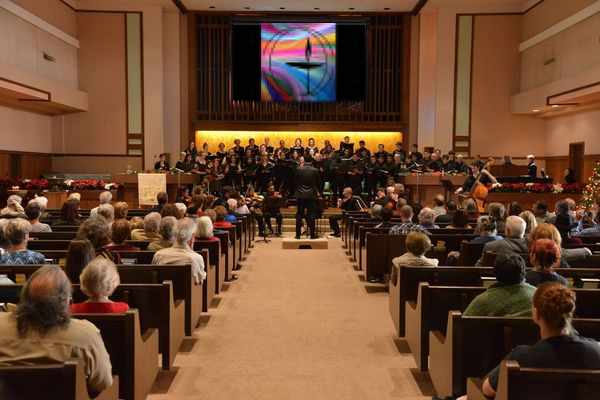
Unitarian Universalist (UU) congregations offer a completely unique version of a spiritual community where the point of interest is on values rather than inflexible creeds. Many UU church buildings embody humanism as one of the central philosophies guiding their approach to worship, schooling, and social justice. In these groups, it's commonplace to locate contributors who identify as atheists, agnostics, or religious seekers—all united by using a desire to live moral, significant lives. This open framework makes UU congregations a herbal home for humanist values to thrive.
Creating Community Without Shared Belief
A Focus on Shared Values Instead of Doctrines
One of the defining capabilities of humanist groups is they emphasize shared ethics instead of shared theology. Principles that include compassion, equity, appreciation for human dignity, and environmental stewardship become the unifying threads. These values provide a robust ethical foundation while leaving room for people to interpret their ideals—or non-beliefs—in ways that are in my opinion significant.
Rituals That Honor Humanity and Experience
While humanist communities might not include conventional nonsecular rituals, they frequently create their personal ceremonies to mark life’s significant moments: births, coming-of-age milestones, weddings, and memorials. These celebrations are grounded in human stories and designed to foster an experience of connection, reflection, and network.
Open Dialogue and Intellectual Freedom
Humanist congregations prioritize open talk and inspire questions rather than prescribing answers. Discussions regularly explore philosophy, technology, ethics, and literature—growing a lifestyle wherein members feel loose to specific doubts, interests, and differing viewpoints. This technique cultivates deeply respectful surroundings, which may be refreshing for those who've felt excluded or judged in greater dogmatic areas.
The Role of Humanism in Building Belonging
Welcoming Diverse Backgrounds and Identities
Because humanist communities inside UU congregations don’t require contributors to stick to a specific faith, they entice people from a huge range of nonsecular, cultural, and philosophical backgrounds. This variety enriches the network and fosters an environment of acceptance. Whether someone is a lifelong skeptic, a former member of a conventional church, or a religious explorer, they may be welcomed for who they may be.
Connecting Through Action and Service
A key tenet of humanism is the notion that meaning is created through movement—in particular action that advantages others. As a result, many humanist groups region a sturdy emphasis on provider initiatives, social justice advocacy, and environmental obligation. These shared efforts assist make stronger bonds among members and give human beings a collective experience of reason.
Creating Safe Spaces for Authentic Living
Humanist groups offer a space wherein people may be their true selves—loose from fear of judgment based totally on the notion (or lack thereof). For many, this represents a profound shift from previous reports with prepared faith. In these spaces, emotional well-being, intellectual fitness, and personal expression are valued as a good deal as philosophical alignment.
Humanism and the Growth of Inclusive Congregations in Houston
Why Houston Is a Fertile Ground for Humanist Communities
As one of the maximum diverse cities in the United States, Houston is domestic to a wealthy tapestry of faith traditions, cultural expressions, and philosophical thought. In this setting, Houston church buildings that combine humanist values into their missions provide a compelling opportunity for those searching for a network without nonsecular duty.
A Rising Interest in Ethical Living Without Belief
Across Houston and beyond, many humans are moving far away from traditional spiritual affiliations whilst nonetheless longing for connection, motive, and moral readability. Humanist groups reply to this want by means of imparting significant engagement, moral discourse, and a shared dedication to improving the arena.
Integration with Broader Social Movements
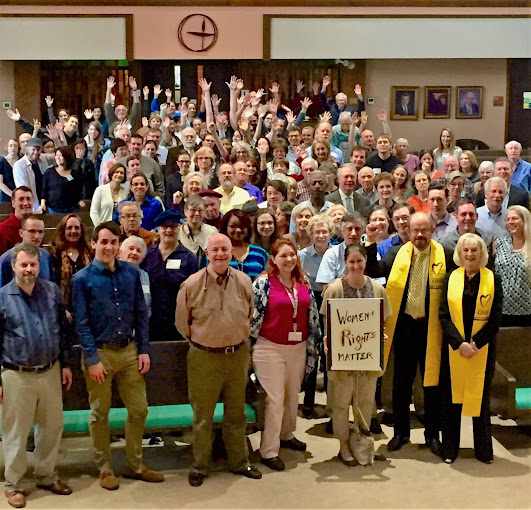
Humanist congregations in Houston frequently align with broader justice movements—whether focused on racial fairness, LGBTQ+ rights, immigrant assistance, or climate movement. These alliances now not only strengthen the relevance of the community but additionally replicate the humanist commitment to creating a tangible distinction in the international community.

Bridging the Gap Between Faith and Reason
Respecting Personal Beliefs While Building Collective Purpose
A hallmark of Unitarian Universalist communities that embody humanism is their dedication to honoring both purpose and emotion. Members are loose to interpret lifestyles’s big questions in their approaches, without being pressured into notion systems. At the same time, they're encouraged to search for truth, act with compassion, and serve others—ideas that resonate with nonsecular and secular people.
Encouraging Lifelong Learning and Growth
Humanist congregations regularly offer possibilities for training, essential thinking, and communication. Adult getting-to-know applications, young people discussions, book clubs, and boards offer areas to assign assumptions and grow intellectually and emotionally. In this way, humanist groups grow to be lifelong gaining knowledge of centers that help each person and collective development.
Conclusion
In a time when many human beings feel disappointed with rigid spiritual systems yet nevertheless are searching for connection, belonging, and moral living, humanism gives an effective and inclusive direction ahead. Humanist groups—mainly those inside Unitarian Universalist congregations—reveal that perception of higher energy is not a prerequisite for building a meaningful life or a compassionate network. Through shared values, open talk, and committed action, these groups create belonging without perception. In places like Houston, where range and talk flourish, such congregations stand as welcoming beacons for all who are seeking to stay authentically, serve others, and stroll collectively searching for facts.



Write a comment ...